
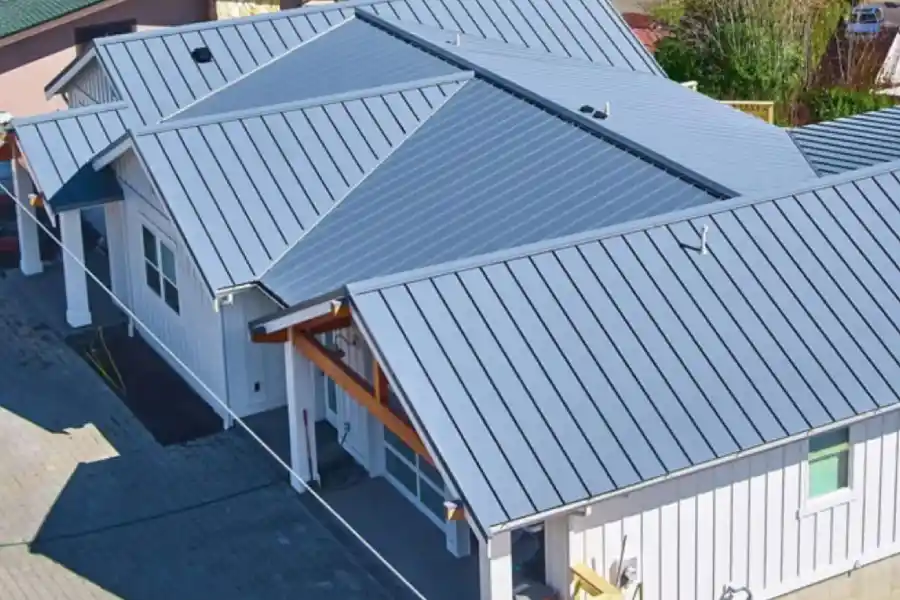
Roofing in Parker, CO
Repair, replacement, inspection, and hail damage help, in every common material. We tell you what your roof actually needs, even when that is a simple repair instead of a full replacement.
Your roof has one job, and Colorado makes it hard.
Your roof is the one system protecting everything underneath it, and on the Front Range it takes more abuse than almost anywhere in the country. Hail, wind, heavy snow, and high-altitude sun all wear it down faster than the national average.
The good news is that a roof problem caught early is usually a small fix, while one ignored becomes water in your home. This page walks you through how to tell where yours stands, what your options are, and exactly how we do the work.
Repair or replace? How to tell.
Most homeowners cannot tell from the ground, and a roof that looks fine can still be failing. Here is what we actually look for.
Signs your roof needs attention
Curling, cupping, or missing shingles. Bald spots where the protective granules have worn off, which often show up as granule buildup in your gutters. Cracked shingles. Water stains on ceilings or in the attic. Daylight visible through the roof boards. A sagging roofline. Damaged or rusted flashing around chimneys and vents.
When a repair makes sense
The damage is limited to one area, the roof is otherwise in good shape, and it is not near the end of its life. We will always quote the repair if the repair is the right call.
When replacement makes more sense
Widespread damage, a roof past 20 to 25 years old, repeated leaks in different spots, or storm damage an insurer will cover. Replacing once is often cheaper than repairing the same failing roof three times.
A note on layers
Colorado code limits how many layers of shingle a roof can carry, and going over an old roof can hide problems in the deck. We almost always recommend a full tear-off so we can see and fix what is underneath.
Hail damage and how the insurance side really works.
The Front Range sits in one of the worst hail corridors in the country, and hail damage is the number one reason Colorado roofs get replaced. The tricky part is that hail damage is often invisible from the ground.
How do I know if hail damaged my roof?
Hail leaves bruises, which are soft spots where the impact cracked the shingle mat, along with knocked-off granules and dented flashing or vents. You usually cannot see this from the driveway. After a significant storm, get a roof inspected and note the storm date, since insurers care about when the damage happened.
Will my insurance pay for it?
If the damage comes from a covered event like hail or wind, often yes. We inspect, document the damage with photos, and meet with your adjuster so the claim reflects the real scope of work.
What is a Class 4 impact-resistant shingle?
Class 4 shingles are rated to withstand hail impact far better than standard shingles. In Colorado, many insurers offer a premium discount for installing them, so they can pay for themselves over time. Ask us and your insurer whether it makes sense for your home.
Will you tell me if I do not have a claim?
Yes. We will tell you honestly before you file, because a denied or wasted claim helps no one.
Roofing materials, and how long each one lasts here.
Lifespan varies with Colorado weather, but here is the honest comparison so you can choose with your eyes open.
Asphalt Shingle
Most affordable and most common. Architectural shingles last longer and look better than old 3-tab. Class 4 versions resist hail. Best all-around choice for most Colorado homes.
Metal
Sheds snow well, resists fire, and reflects heat. Higher upfront cost that pays back over decades. Excellent for our climate.
Concrete or Clay Tile
Extremely durable and fire resistant. Heavy, so the home needs the structure to carry it.
Cedar Shake
Beautiful and natural, but needs maintenance and should be treated for fire resistance.
Slate
The premium, lifetime option. Heavy and the highest cost.
TPO & EPDM
Flat and low-slope membrane systems for modern homes and flat sections.
Exactly how we replace a roof.
A roof is only as good as the install. Skipping steps is how you get leaks in three years. Here is every step we follow, start to finish.
Inspection and documentation
We inspect the full roof, photograph any damage, and give you an honest assessment and a written, itemized estimate. If it is an insurance job, we document everything for your adjuster.
Protect the property
We cover landscaping, move what needs moving, and set up to keep your yard and home protected during tear-off.
Tear-off
We strip the old roofing down to the deck so nothing is hidden. This is also when we find rot or damage a layover would have buried.
Deck inspection and repair
We check the wood decking and replace anything soft or rotted before we build back up. A solid deck is the foundation of the whole roof.
Underlayment and ice-and-water shield
We install protective underlayment, and ice-and-water shield in the valleys and along the eaves, which is what protects against ice dams in Colorado winters.
Flashing and drip edge
We install or replace flashing around chimneys, vents, and valleys, plus drip edge at the edges. Most leaks start at flashing, so this matters.
Roofing material
We install your chosen material to manufacturer spec, which is also what keeps the warranty valid.
Ventilation and ridge
We make sure the roof breathes properly with correct intake and ridge ventilation, which extends the life of the roof and helps with attic moisture.
Cleanup and magnetic nail sweep
We haul off all debris and run magnets across your yard and driveway to catch every stray nail.
Final inspection and walkthrough
We inspect the finished roof, then walk it with you and do not call it done until you are satisfied.
No surprise charges.
If we open the roof and find hidden rot or damage, we stop, show you, and you approve any change before we go further.
Built for Colorado roofs.
We build for the conditions, not a generic install. That means ice-and-water shield where ice dams form, proper ventilation for our dry attic air and big temperature swings, hail-rated materials where they make sense, and flashing details that hold up to wind and freeze-thaw.
The right roof for Denver is not the same as the right roof for Dallas, and we build accordingly.
Why homeowners trust us with their roof.
- 18 years of hands-on roofing experience, backed by E&M Roofing Specialists.
- The price we quote is the price you pay. No surprise charges.
- Licensed and insured, and experienced with insurance claims.
- Workmanship guarantee. If something is not right, we make it right.
Roofing questions, answered.
Most homes take one to three days depending on size, material, and weather.
It depends on size, pitch, material, and how much deck repair is needed, which is why the inspection and written estimate are free and specific to your home.
We almost always tear off, so we can inspect and repair the deck and so you do not exceed Colorado’s layer limit.
Less than the national average, because of hail and UV. Material and install quality make the biggest difference, and impact-resistant shingles help.
Yes, always, with no pressure to move forward.
Yes. We document the damage and work directly with your adjuster.
Get a free roof inspection.
We will look at your actual roof, tell you straight what it needs, and put a clear price in writing. No pressure and no surprise charges.